Low-GI Diets for Seniors – Why It’s Worth Paying Attention

As we age, the body’s ability to process carbohydrates naturally declines. This is not an isolated issue. In China, the prevalence of type 2 diabetes among older adults is 35.2%, affecting over 140 million people, with rates rising significantly with age — exceeding 50% among those over 80. Among those aged 60-69, the prevalence of diabetes is 28.8%, and prediabetes 47.8%. For those 70 and older, the numbers are 31.8% and 47.6% respectively.
In other words, more than half of older adults either have diabetes or are in the prediabetic stage.
Why does a low-GI diet matter for seniors?
Low-GI foods digest slowly, releasing glucose steadily. For older adults, this means two things: post-meal blood sugar doesn’t spike sharply, reducing discomfort from fluctuations; and satiety lasts longer, helping avoid unnecessary snacking.
A recent study covering 200,000 people found that low-GI diets were associated with a 16% lower risk of dementia. The connection between blood sugar management and cognitive function is increasingly supported by research.
Additionally, low-GI diets help improve insulin sensitivity. For seniors with gradually declining metabolic function, this protective effect matters.
Basic principles of a low-GI diet
For staples, replace some white rice and white noodles with low-GI options like brown rice, oats, quinoa, and whole wheat bread. Official guidelines recommend that low-GI foods like whole grains and legumes account for at least one-third of staple food intake. For fruits, prioritize low-GI options like apples, strawberries, pears, and grapefruit — up to about 200 grams per day. Higher-GI fruits like watermelon, pineapple, and bananas should be limited to 100 grams. Cooking methods should also be adapted to suit seniors’ digestive capacity.
Detective No.55 product options
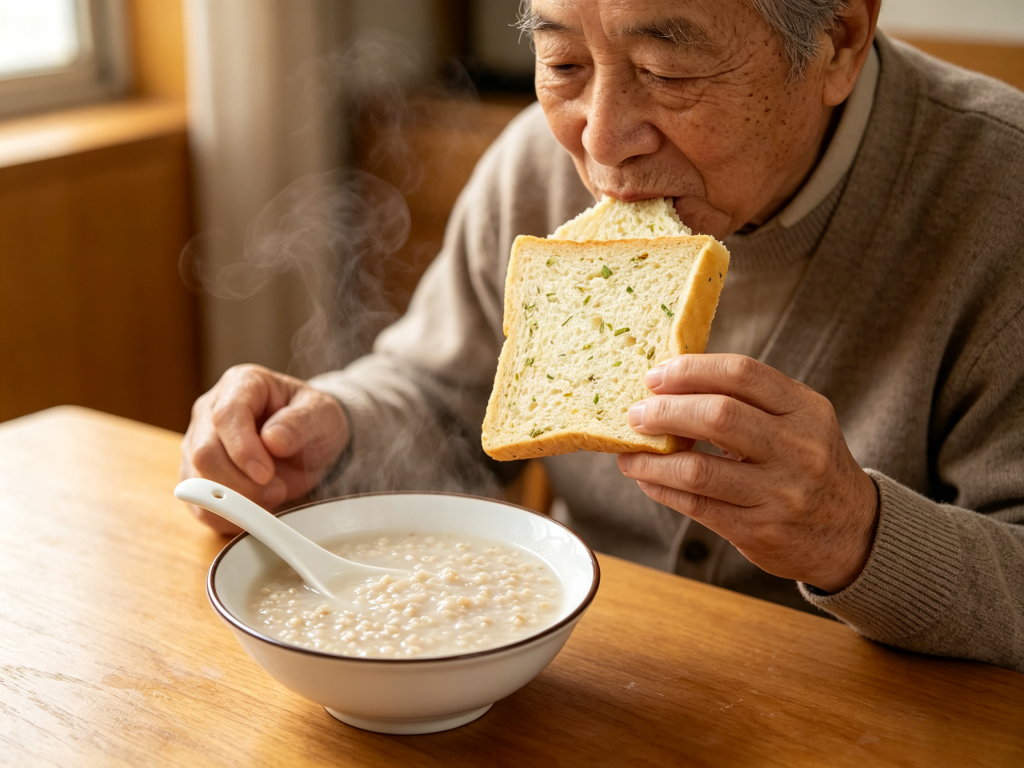
For seniors watching their blood sugar, the following products can be helpful additions to daily meals:
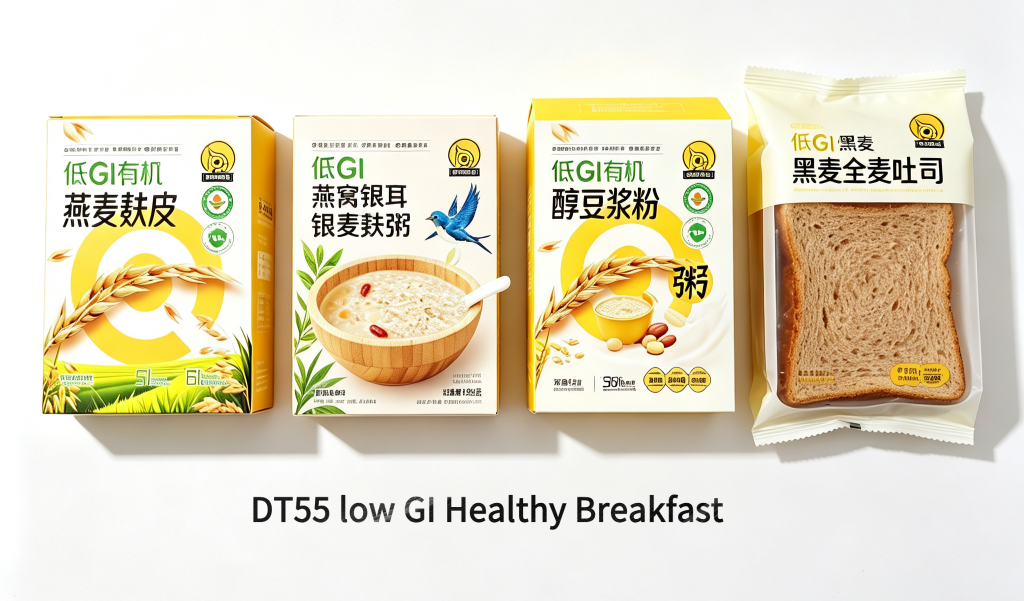
- Low-GI Organic Oat Bran (GI 51): High in dietary fiber, can be mixed with milk or warm water
- Low-GI Kudzu & Yam Congee (GI 53): Instant, suitable for those who prefer warm meals
- Low-GI Soy Milk Powder (GI 37): Plant-based protein, good for breakfast or snacks
- Rye Whole Wheat Toast (GI 53): Rye flour + whole wheat flour ≥50%, works as a breakfast staple
Dietary changes don’t have to happen overnight. Replacing some refined staples is already a solid start.
Contact us to discuss more healthy diet:[email protected]
Need a quote or spec sheet?
Tell us your channel and target market — our export team replies within one business day.
Get a Quote