What Does a Short Shelf Life Actually Mean?
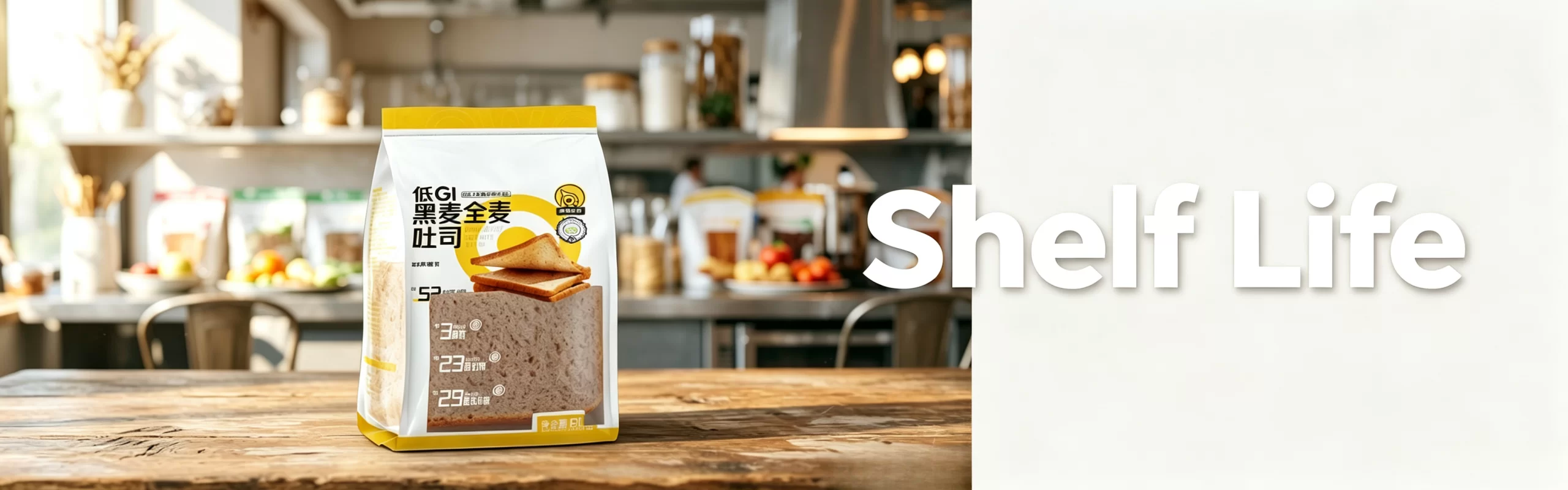
Bread on supermarket shelves can have shelf lives ranging from a few days to several months. Many consumers equate “short shelf life” with “fresh” and “additive-free,” while assuming “long shelf life” means “more preservatives” and “less healthy.” This perception isn’t entirely accurate, but it does reflect genuine consumer expectations about food quality.
Over the past two years, consumers have become increasingly attentive to ingredient lists, additives, and production dates. A short shelf life label often suggests freshness and minimal processing.At the same time, the industry has seen a rise in “fake short-shelf-life” products — items labeled as short-shelf-life but produced using long-shelf-life processes, capable of lasting far longer than their labels indicate.
Detective No.55’s Approach
Detective No.55’s Rye Whole Wheat Toast has a shelf life of 28 days. In the pre-packaged bread market, this is a short-shelf-life product. In 2025, short-shelf-life bread (≤7 days) already accounted for over 60% of the pre-packaged bread market, making it the dominant category.
Behind the 28-day shelf life are several specific process choices.
Formulation: No industrial preservatives are added. The ingredient list contains no chemical preservatives like sodium dehydroacetate. Calcium propionate and sorbic acid are used to inhibit mold — within the national standard limits — to maintain product quality throughout the shelf life while keeping the ingredient list clean.
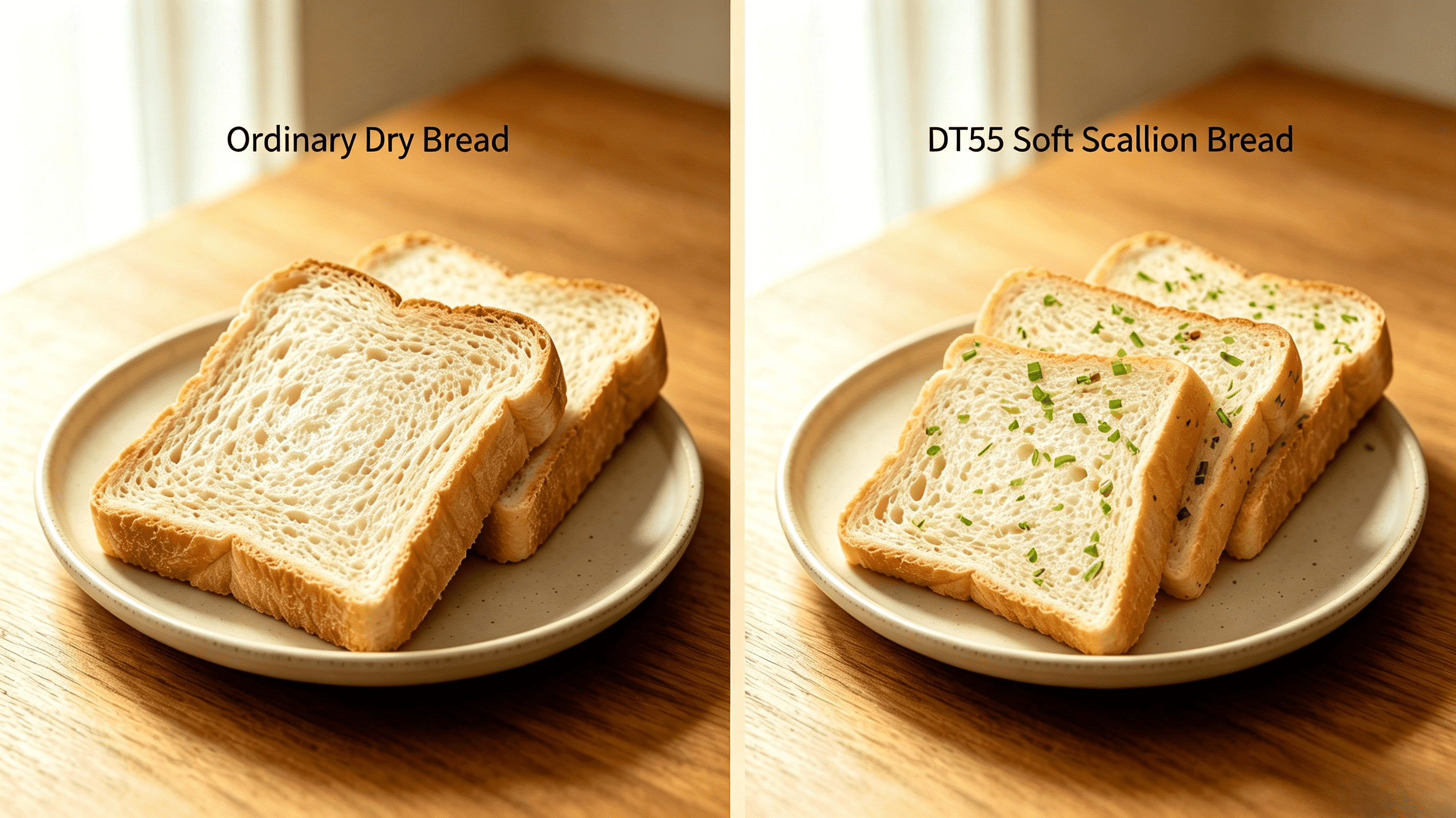
Process: The sponge-dough method with 18-hour total fermentation is used. Compared to the straight dough method, the sponge-dough method builds a more stable gluten network that slows starch retrogradation, keeping the toast soft throughout its shelf life. 120 recipe adjustments and 22 rolling steps all serve the same goal: maintaining consistent quality over 28 days without excessive additives.
Logistics: Short-shelf-life products are fundamentally about turnover. 28 days from production to shelf to consumer creates much greater logistical pressure than a 6-month shelf life. This means faster logistics response, shorter warehouse dwell time, and tighter inventory management. For a factory, short-shelf-life is not just about “using fewer preservatives” — it’s an entirely different way of operating the supply chain.
How should consumers understand shelf life?
A short shelf life is not a guarantee of “freshness,” nor does a long shelf life mean “unhealthy”. Shelf life depends on the combination of formulation, process, and packaging. To assess food quality, reading the ingredient list — checking for unnecessary additives, industrial preservatives, and the main ingredients — is more reliable than looking at shelf life alone.
Detective No.55 Rye Whole Wheat Toast — 28-day shelf life. No wheat flour added, rye flour + whole wheat flour ≥50%, 0 added sucrose. Brand owners and distributors welcome to inquire: 📧 [email protected]
Need a quote or spec sheet?
Tell us your channel and target market — our export team replies within one business day.
Get a Quote