Three Myths About Low-GI Foods
The low‑GI category has grown fast in China over the past few years, but we still see three common misconceptions that lead B2B partners down the wrong path.
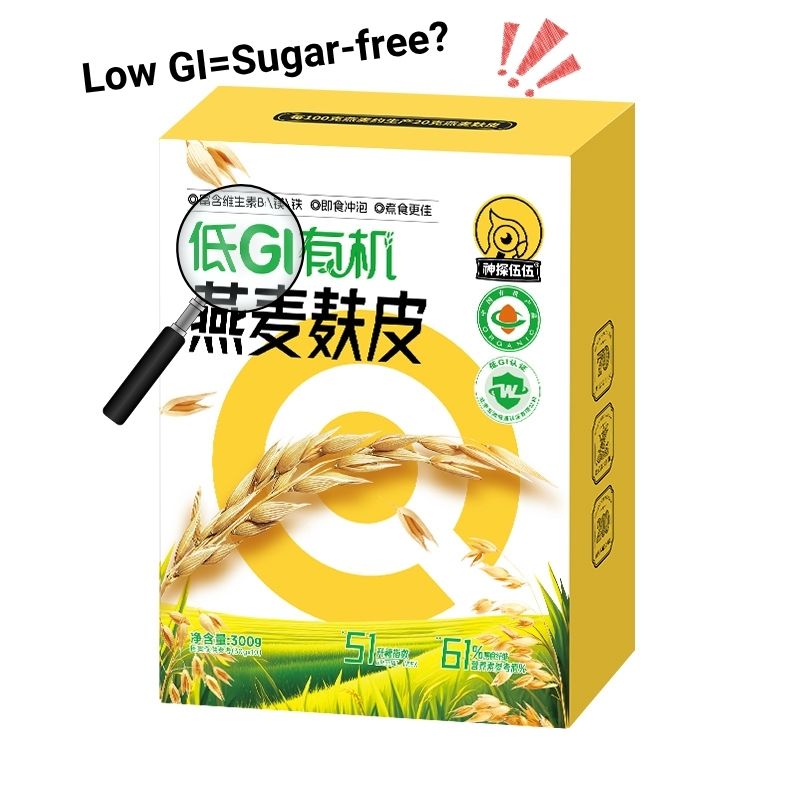
Myth 1: Low‑GI equals sugar‑free. Not true. Sugar‑free only means no added sucrose or simple sugars. Carbohydrates from rice or flour still raise blood glucose. What actually matters is the glycemic index. Every product we sell is backed by human‑tested GI values certified by an authorized body of CNCA.
Myth 2: Low‑GI food always tastes bad. That used to be true. It isn’t anymore. Our apple crisps are genuinely crunchy and sweet‑tart. Our oat bran has a clean, natural aroma. Our soy milk powder is smooth and drinkable. We spent years on process improvement — not by adding sugar or artificial flavors, but by getting the technology right.
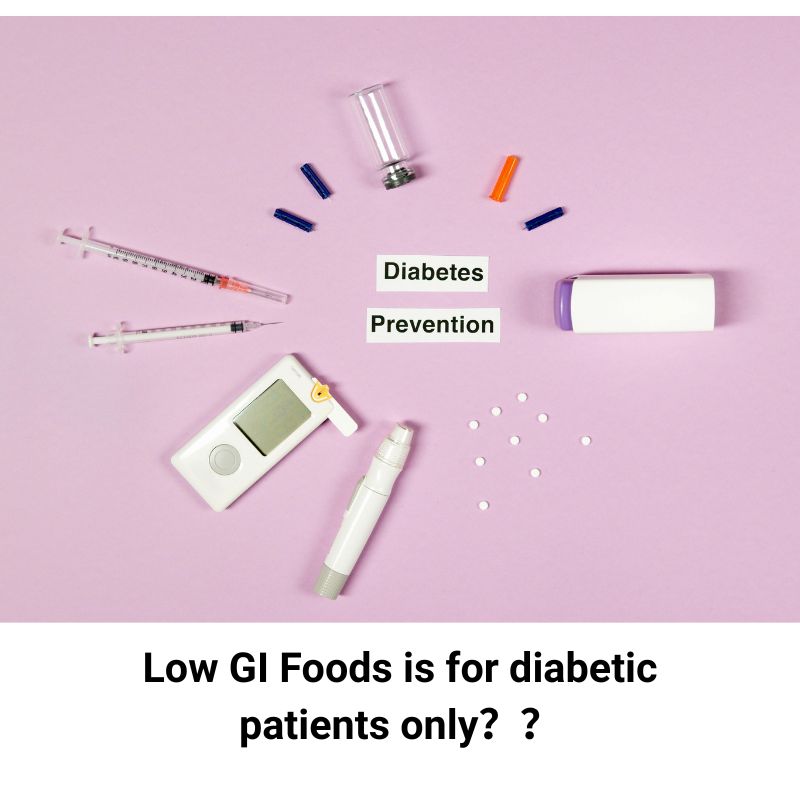
Myth 3: Low‑GI is just a niche for diabetic patients. That view is outdated. Weight‑management consumers, fitness users, pregnant women, and even younger shoppers concerned about anti‑glycation are all becoming daily low‑GI users. The category is moving from “special dietary” to “everyday health.”
So where are the real B2B opportunities?
First, category gap filling — many channels still lack a truly good‑tasting, lab‑tested low‑GI snack or meal replacement. Second, private label upgrades — replacing general products with CNCA‑certified low‑GI alternatives boosts shelf competitiveness. Third, overseas markets — low‑GI is already better understood internationally, and China’s supply chain offers cost and certification advantages.
If you’re evaluating whether to enter this space, we can start with a sample and a test report.
Interested in low‑GI wholesale or OEM?Contact us:[email protected]
Need a quote or spec sheet?
Tell us your channel and target market — our export team replies within one business day.
Get a Quote